
Alcoholism is a complex disorder characterized by compulsive alcohol use, loss of control over intake, and negative emotional states when not drinking. It affects millions of people worldwide and can have severe consequences on health, relationships, and https://line-of-sight.com/overcoming-social-anxiety/ overall quality of life. When people have a mental health condition that co-occurs with a substance misuse disorder, such as AUD, doctors may refer to this as dual diagnosis.
NPD diagnosis
- With treatment, those with NPD can live healthy lives with positive relationships.
- These centers specialize in treating both mental health disorders and substance abuse simultaneously, offering integrated and personalized treatment plans for effective recovery.
- Additionally, societal and cultural influences can contribute to the development of narcissism and alcoholism.
- On the other hand, their mask could start to slip, giving you a glimpse of the vulnerable inner self hiding behind the narcissist’s disguise.
- Medications for AUD can help to reduce cravings and withdrawal side effects, whereas therapy can be beneficial for reducing distorted thinking about alcohol and developing stronger coping skills.
Alcohol use disorder is a type of substance use disorder where a person cannot control or stop their alcohol use. Narcissists may turn to alcohol as a means of self-medication or as a way to enhance their self-esteem. Alcohol can temporarily alleviate feelings of insecurity, anxiety, and low self-worth, providing a temporary escape from the demands of maintaining a grandiose self-image.

Alternatively, you can access support symptoms for each condition separately. Treating each condition independently can sometimes https://vizit-internet.ru/2014/02/07/page/9/ lead people to “choose one over the other,” especially if care is not coordinated. Find a brighter tomorrow by starting with our compassionate team of medical professionals and recovery specialists today.
Overlapping symptoms

Mental health disorders and substance misuse often intersect, creating complex challenges for those affected. Alcohol use disorder (AUD) is prevalent, impacting millions worldwide, and often coexists with other psychological conditions. According to recent studies, approximately 14.5 million Americans aged 12 and older had AUD in 2019, highlighting the widespread nature of this issue.
Empowerment on the Path: Familys Impact on Treatment Support
- By Michelle PugleMichelle Pugle writes health articles for award-winning websites, as seen in Healthline, Verywell, Everyday Health, and Psych Central.
- While there is room for interpretation, a person with NPD and/or AUD must meet a minimum standard before a diagnosis can be delivered with confidence.
- Narcissism and alcoholism often intertwine, creating a complex and challenging dynamic.
- Vulnerable narcissists often experience depression and anxiety, which alcohol can alleviate, at least in the short term.
In general, narcissists don’t like to accept responsibility for what they say and do. When they abuse alcohol and develop a dependence on drinking, they may not accept or admit that there’s anything wrong with their life. Cultural influences and societal attitudes toward alcohol use also shape drinking behaviors. Some research suggests narcissistic traits may increase in prevalence in individualistic societies. The narcissistic alcoholic may attempt to isolate their partner from friends and family, limiting their support system.
The number of criteria a person meets determines whether they have AUD, and if so, the severity of the condition. Aggressive behavior and pathological narcissism were linked to alcohol overuse in a 2017 study of Canadian men. The association remained intact even when researchers accounted for general psychological distress as a trigger for coping responses like alcohol use. In a conflict, a narcissist will turn everything around on you, gaslight, and refuse to apologize or agree to change. Narcissistic Personality Disorder (NPD) is a disorder in which someone acts selfishly and thinks highly of themselves.
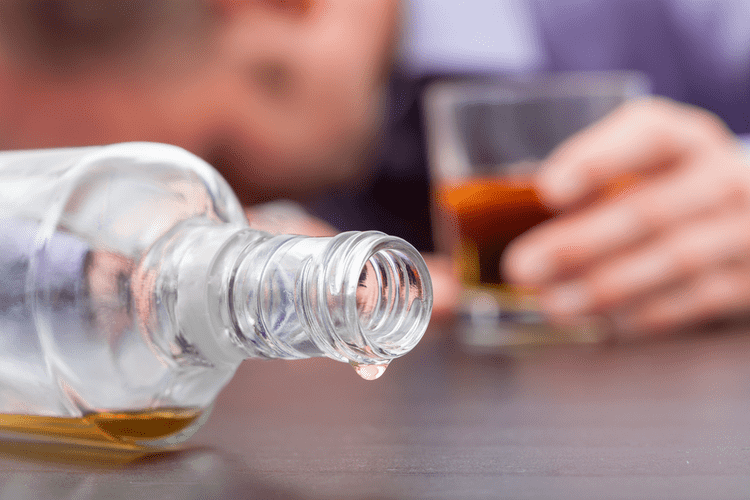
Someone who’s http://picarea.ru/tri-stereotipa-kotorye-meshayut-alkogolikam-vernutsya-k-normalnoj-zhizni/ narcissistic might be self-absorbed and have an inflated sense of self-importance. Before we go further, it’s important to understand the terminology used in this article. When you’re caught in the crossfire of someone with these symptoms, recognize that you aren’t responsible for their behavior—as much as they might try to pin it on you or someone else. At Ria, we offer weekly meetings with certified counselors to help members stay on track and build skills for long-term change. You can survive the experience by applying the techniques listed above, but at some point, you will have to bring up the subject of treatment. But it’s unlikely they’ll reveal the whole, unadulterated truth, regardless of how much they drink.
However, it is more likely that the alcoholic is trying to surround themselves with others that support these extreme drinking habits. You can also visit Psych Central’s mental health resource hub, which has information about how to find mental health support. The underlying cause of each is sometimes not the same, but the behaviors can seem very similar. Personality disorders and substance use disorders occur together about 22.6% of the time, according to the National Institute of Mental Health (NIMH). During conversations, they don’t seem to process what other people tell them.
Alcoholism, or alcohol use disorder (AUD), is an addictive disorder where people cannot control or stop their use of alcohol. People with AUD may be unable to reduce or stop drinking despite experiencing the negative effects of alcohol or a desire to quit. Dry-drunk individuals may also exhibit narcissistic behaviors as they struggle to cope with unresolved emotional issues and challenges. When discussing the relationship between narcissism and alcoholism, it’s helpful to divide narcissists into two distinct groups. NPD and AUD frequently co-exist and can increase the effects of each other.