

Furthermore, in extreme cases, bruises from drinking can be a sign of liver damage, which can be dangerous. When drinking becomes compulsive, as is the case with alcohol use disorder, a person may place themselves in danger when consuming alcohol, because drinking becomes more important than safety. Examples of drinking in dangerous situations include driving while under the influence or drinking before operating some form of heavy machinery.
Impact on your health
Contact your GP for advice if you have a history of regular alcohol misuse. Getting adequate proteins, calories, and nutrients can alleviate symptoms, improve quality of life, and decrease mortality. However, giving up alcohol right away isn’t sustainable or desirable for most people. After all, studies have shown that almost 50% of adults wish to reduce their intake without giving up alcohol altogether. If you’ve noticed any of the above symptoms, you may consider going cold turkey to improve your health.
Shifts in Mood and Personality
- Alcoholic liver disease is liver damage from overconsuming alcohol.
- This waste then builds up and harms many regions of the body, including the nerves.
- Individuals may experience difficulty controlling their alcohol intake, leading to excessive consumption and blackouts.
Your primary care provider will refer you to a hematologist if you have continued significant bruising larger than one centimeter with no known trauma. A bruise (also called ecchymosis) can bother us for days, either because they’re painful or we don’t know how they got there. In some cases, reactions can be triggered by a true allergy to a grain such as corn, wheat or rye or to another substance in alcoholic beverages. According to the CDC, more than one million people die yearly of cirrhosis, including over 40,000 people in the United States.
- While some people may have just a drink or two on special occasions, people with an alcohol use disorder may lose control of their drinking, and consume ten or more drinks, for example.
- The first step will likely be a medically supervised detox, which will help rid your body of toxins and manage the symptoms of withdrawal.
- We believe in treating the whole person, not just the symptoms of addiction.
- However, giving up alcohol right away isn’t sustainable or desirable for most people.
Potential Predictors of Alcohol Use Disorders
And since the liver controls blood clotting, alcohol-related liver disease can cause increased bruising, as well. He has a nursing and business/technology degrees from The Johns Hopkins University. Alcohol use disorder is a pattern of alcohol use that involves problems controlling your drinking, being preoccupied with alcohol or continuing to use alcohol even when it causes problems. This disorder also involves having to drink more to get the same effect or having withdrawal symptoms when you rapidly decrease or stop drinking. Alcohol use disorder includes a level of drinking that’s sometimes called alcoholism.
What Stages Aren’t Reversible?
Alcoholics may also have darker bruises due to the increased amount of blood in their body. If you notice that you or someone you know is bruise easily, it may be a sign of alcoholism. Since you may not have any symptoms in the early stages of the disease, cirrhosis is often detected through routine blood tests or checkups.
Physical appearance
Withdrawal side effects can be incredibly uncomfortable, which can lead a person to resume drinking to alleviate these side effects. Because of this fact, a person with an alcohol use disorder may have several failed attempts to stop drinking. When someone develops an alcohol use disorder, they will show signs or symptoms that are characteristic of this condition. Additionally, heavy drinkers usually get most of their calories from alcohol. The problem is that alcohol is a wellspring of empty calories—which are calories with minimal nutritional value.
Are Alcohol Bruises Dangerous?
Chronic heavy drinking can cause alcoholic hepatitis, which is the inflammation of your liver. One common sign of drug addiction alcoholic hepatitis is jaundice, where the skin and whites of your eyes look yellowish. However, the physical signs of alcoholism go beyond mere appearance. Poor personal hygiene and an unkempt appearance are often indicative of an individual’s neglect of their overall health.
If the sensation is decreased enough, you may feel actual numbness after drinking alcohol. People with a lengthy history of alcohol misuse might experience loss of balance, pain, tingling, weakness, or numbness after drinking alcohol. Alcoholic neuropathy signs and symptoms can progress gradually and are usually subtle at first. In fact, a person who drinks heavily might not recognize that the symptoms they are experiencing are related to their alcohol consumption.
- However, some people notice an improvement in symptoms a few months after discontinuing alcohol intake.
- Once stabilized, the goal is to transition from detox, to treatment, to maintenance (practicing sober living by changing your life), to transcendence—the final step in the path to recovery.
- This can develop into alcohol hepatitis, which is the inflammation of the liver.
- The pulmonary or respiratory system includes the lungs, diaphragm, and trachea.
- A bruise (also called ecchymosis) can bother us for days, either because they’re painful or we don’t know how they got there.
- Nerve damage typically affects the axons, which are the projections that send electrical signals from one nerve to another.
More resources for a variety of healthcare professionals can be found in the Additional Links for Patient Care. Heavy alcohol use raises the risk for myopathies and fractures, whereas even low levels of alcohol intake increase the odds for recurrent gout attacks. Several prominent complications of heavy alcohol use involve the gastrointestinal (GI) system. Especially if you have been bruising and alcoholism drinking heavily for many years, coping with alcohol use disorder is not easy. But with the proper resources to help, you are better set up for success with sobriety. Having a healthcare professional come to your house to assist with your needs can relieve a lot of added stress on you to keep track of your treatment plan alone.
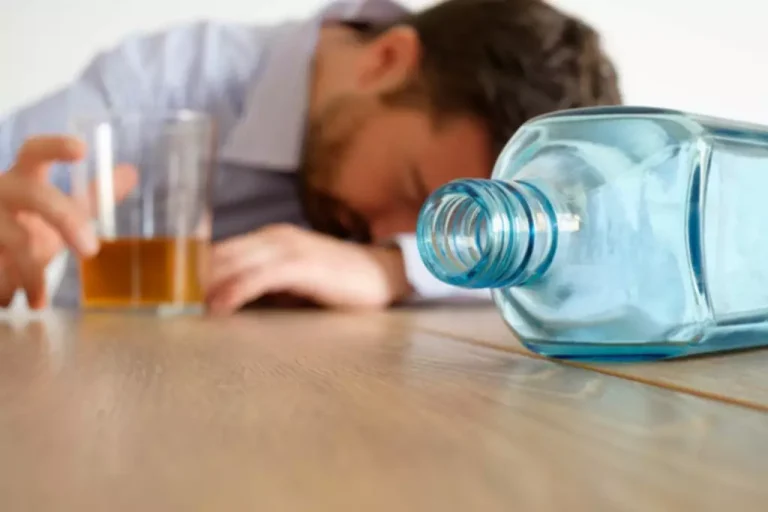
Everything to Know About Alcoholic Liver Disease
The part of the brain that controls co-ordination and balance, the cerebellum, can deteriorate under the influence of alcohol, making you look unsteady on your feet. The cerebellum is particularly sensitive to severe alcohol consumption. Even when sober, there’s an increased risk of falls and accidents. They may lose feelings of hunger or no longer have a desire for food, as their focus shifts to alcohol. Alternatively, they may crave high-fat foods as alcohol produces the hunger-increasing hormone, ghrelin. In addition, some alcoholic beverages, such as wine and beer, are high in calories, so regular consumption of these drinks can lead to weight gain.